A Guide to a Cancer-Preventive Diet
Published by Dr. Kasturi Mandal | Last updated: August 2025
Adopting a healthy dietary pattern is one of the most significant steps you can take to reduce your cancer risk. This guide provides an evidence-based overview of key principles and recommendations from leading health organizations.
Key Principles of a Cancer-Preventive Diet
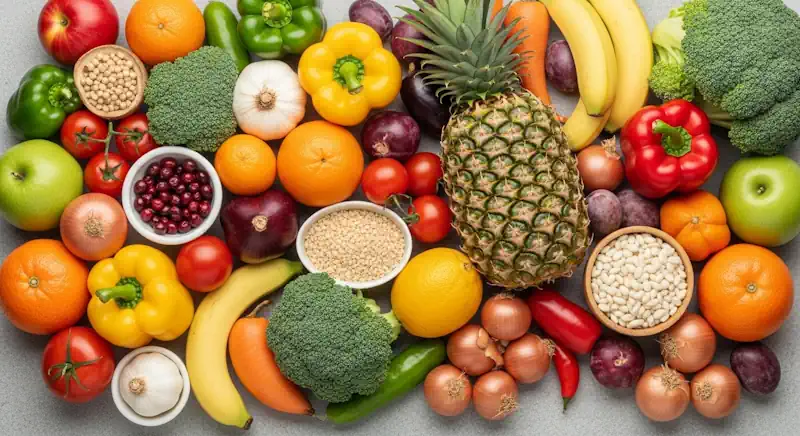
- Eat Mostly Plant-Based Foods: Fill your plate with fruits, vegetables, whole grains, and legumes. These are rich in vitamins, fiber, and antioxidants that protect your cells.
- Limit Red and Processed Meats: High consumption is linked to an increased risk of colorectal cancer. Aim for no more than 18 oz (cooked) of red meat per week and avoid processed meats when possible.
- Reduce Added Sugar and Refined Carbs: These can contribute to obesity and insulin resistance, which are risk factors for several cancers.
- Choose Healthy Fats: Emphasize omega-3 fatty acids from sources like fatty fish, walnuts, and flaxseeds to help reduce inflammation.
- Limit Alcohol: Alcohol is a known carcinogen. If you drink, do so in moderation (1 drink/day for women, 2 for men).
- Maintain a Healthy Body Weight: A healthy diet is crucial for preventing obesity, which increases the risk of at least 13 types of cancer.
Specific Anti-Cancer Nutrients
While the overall dietary pattern is most important, certain compounds found in foods have shown protective benefits:
| Nutrient/Compound | Found In | Potential Benefit |
|---|---|---|
| Fiber | Whole grains, legumes, fruits | Reduces colorectal cancer risk |
| Lycopene | Tomatoes, watermelon | May protect against prostate cancer |
| Sulforaphane | Broccoli, cabbage, kale | Anti-inflammatory, may protect DNA |
| Curcumin | Turmeric | Anti-inflammatory and antioxidant properties |
| EGCG | Green tea | May inhibit tumor growth |
Leading Expert Guidelines
Major health organizations like the World Cancer Research Fund (WCRF) and the American Cancer Society (ACS) have similar recommendations, emphasizing:
- Prioritizing a plant-forward dietary pattern.
- Limiting red/processed meats, sugary drinks, and ultra-processed foods.
- Maintaining a healthy weight and staying physically active as central goals.

What Doesn’t Strongly Prevent Cancer
It's also important to know what is not supported by strong evidence. High-dose dietary supplements like beta-carotene, selenium, or vitamin E have not shown consistent benefits for cancer prevention and, in some cases, may even increase risk. The focus should always be on obtaining nutrients from whole foods rather than relying on supplements.
Summary: An Evidence-Based Approach
A cancer-preventive diet focuses on a pattern of eating, not individual "superfoods." Prioritize a diet rich in whole grains, legumes, and a variety of colorful fruits and vegetables. Minimize red and processed meats, sugary drinks, and ultra-processed foods. Combined with a healthy weight and physical activity, this approach offers the most reliable, evidence-based strategy for reducing your cancer risk.