Understanding Thrombosis (Blood Clots)
Published by Dr. Kasturi Mandal | Last updated: August 2025
What is Thrombosis?
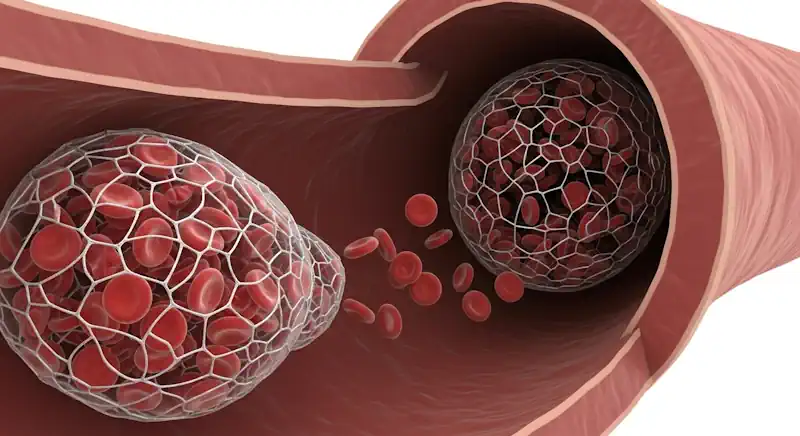
Thrombosis occurs when blood clots (thrombi) block your blood vessels. There are two main types:
- Venous Thrombosis: A blood clot blocking a vein, which carries blood back to the heart. A common example is Deep Vein Thrombosis (DVT).
- Arterial Thrombosis: A blood clot blocking an artery, which carries oxygen-rich blood away from the heart. This can lead to a heart attack or stroke.
Causes and Risk Factors
Common risk factors for thrombosis include prolonged immobility (like long flights or bed rest), recent surgery or injury, certain medical conditions like cancer, and hormonal factors. Other key risks include:
- Older age
- Smoking
- Being overweight or obese
- A personal or family history of blood clots
What are the Symptoms of Thrombosis?
Symptoms can vary depending on the location of the clot. For a DVT in the leg, symptoms often include:
- Pain and swelling in one leg (usually the calf)
- A feeling of warmth in the affected area
- Red or discolored skin
A clot that travels to the brain can cause a stroke (weakness on one side of the body), while a clot in the heart can cause a heart attack (chest pain).
Diagnosis and Treatment
The most common test to diagnose a DVT is a non-invasive **ultrasound**. Blood tests like a D-dimer may also be used. Treatment focuses on preventing the clot from growing and breaking off.
The primary treatment is medication:
- Anticoagulants (Blood Thinners): These are the cornerstone of treatment and include medications like heparin, warfarin, and newer Direct Oral Anticoagulants (DOACs).
- Thrombolytics: In severe, life-threatening cases, these "clot-busting" drugs can be used to rapidly dissolve the clot.
Can Thrombosis Be Prevented?
You can significantly reduce your risk by staying active, quitting smoking, maintaining a healthy weight, and managing other health conditions like diabetes and high blood pressure. During long periods of travel, it's important to move your legs regularly and stay hydrated.
Key Points About Thrombosis
- Thrombosis occurs when blood clots block veins or arteries.
- Complications like a stroke or heart attack can be life-threatening.
- Treatment usually involves blood-thinning medicines.
- Prevention focuses on an active lifestyle and managing health risks.